


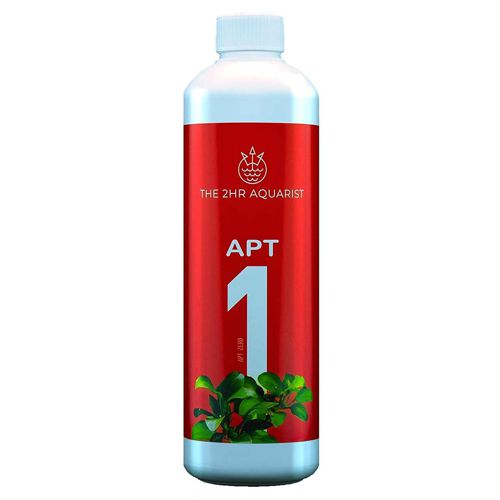
THE 2HR AQUARIST Apt Zero
Price range: ₹999.00 through ₹4,090.00
AQUARIUM PLANT FERTILIZER
- Ideal for low tech planted aquarium
- Ready-to-use concentrate
- All in One fertilizer
Description
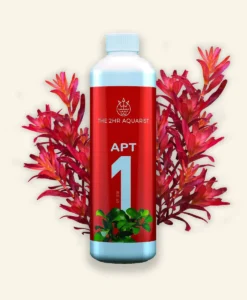
THE 2HR AQUARIST Apt ZERO
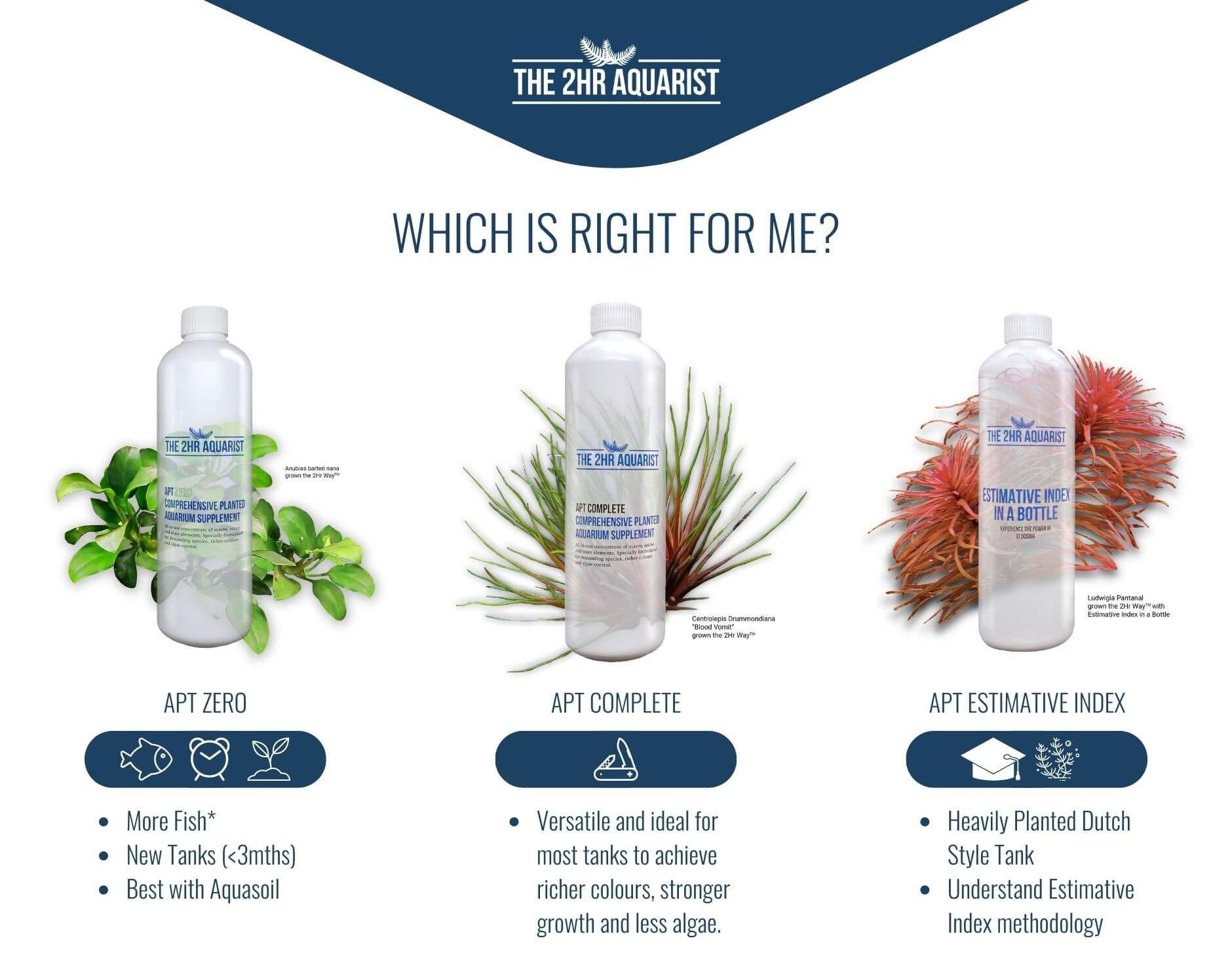
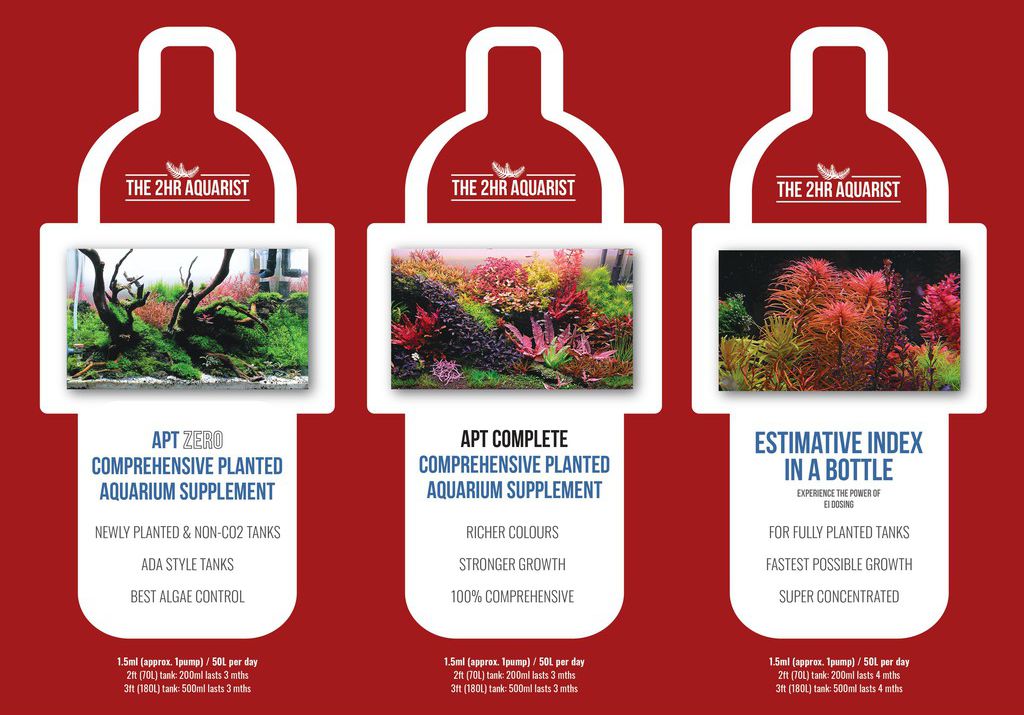
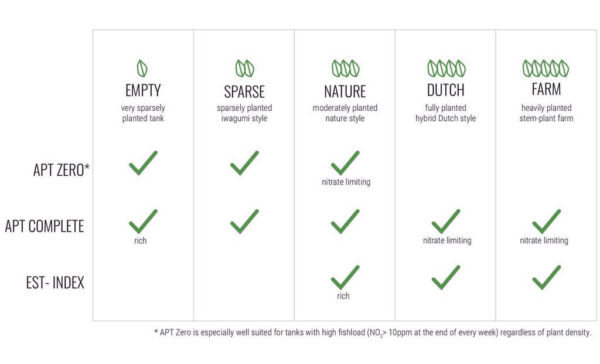
Tackle the most demanding plants, or just enjoy everyday magic in new tanks with aquasoil, and aquariums with?more fish. The easiest?way to unlock the true potential of your planted tank today.
The 2Hr Aquarist All-In-One Fertilizer.
Richer Colors | Less Algae | Better Results
FAQ Here.
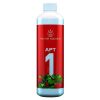
2Hr Aquarist APT 1?is a precision-dosed aquarium plant fertilizer all in one, developed to support lush plant growth in tanks with high bioload or new setups. Because it?s a lean NPK aquarium plant food, it prevents nutrient imbalances that often trigger algae while still supplying essential micronutrients. Whether you’re launching a new scape or maintaining an established system with more fish than plants, APT 1 fertilizer keeps growth steady and water quality sharp.
? Ideal for New Tanks & Heavily Stocked Aquariums
APT 1 works especially well as a new planted tank fertilizer. During the early weeks of cycling, nutrient levels can fluctuate wildly?so this formula stabilizes plant nutrition while minimizing the risk of algae. In addition, it’s trusted for aquarium cycling plant nutrients because it avoids overloading your system. It’s also perfect for tanks with a generous fish population, acting as a fish heavy planted tank fertilizer that complements natural waste inputs without excess nitrate or phosphate.
? No-Nitrate, No-Phosphate Precision
As a no nitrate phosphate aquarium fertilizer, APT 1 allows aquarists to control macronutrient levels manually or rely on fish waste as the nitrogen source. The formula is packed with aquarium plant micronutrient fertilizer components like magnesium, potassium, and chelated iron?promoting healthy root structure and vivid coloration. Moreover, it functions as a rich color plant fertilizer without encouraging algae, delivering a highly absorbable aquarium fertilizer profile for sensitive species.
? Key Benefits
- Ideal new planted tank fertilizer and bioload-balanced feeding system
- Works as an aquarium plant fertilizer all in one without excess N or P
- Boosts color and health with aquarium plant micronutrient fertilizer
- Lean formula supports algae prevention planted tank setups
- Enhances root and leaf growth with minimal waste
? Why Choose APT Zero?
So, if you’re looking for an algae-conscious fertilizer that fits both new tanks and stocked aquascapes, APT 1 by 2Hr Aquarist is the ideal choice. It simplifies nutrient dosing while letting you maintain control over nitrate and phosphate?giving your plants what they need without overfeeding the algae.
Dosage: 3ml per 100L daily.
GUARANTEED ANALYSIS
Soluble Potash (K2O) – 5.5%
Magnesium (Mg) – 0.85%
Iron (Fe) – 0.1% (0.1% Chelated Iron)
Derived from: Potassium Sulphate, Potassium Phosphate, Potassium Chloride, Magnesium Nitrate, Magnesium Sulphate, DTPA Iron, EDTA Iron, EDDHA Iron
Artful Intelligence


When might APT not work?
IN NEW TANKS
It is normal for tanks less than 6 months old to have various bouts of algae issues, most of which can be avoided with proper cycling prior to planting. APT cannot compensate for inadequate cycling.
It is also normal for plants to take several weeks to adapt. APT helps to speed up the process, but you still need patience. In tanks without CO2, this takes 2-3 months. Adaptation may involve shedding leaves (yes!) and / or having leaves that appear deformed. The hardest, yet most effective response is to tinker less and provide a stable tank environment for the plants to adapt. Look for improvement in NEW LEAVES, not old ones.
IN MATURE TANKS
A mature tank can respond to better nutrition in several ways. The best (and most common) outcome is healthier NEW GROWTH. Old leaves do not rejuvenate even when conditions improve, and may even deteriorate faster, as we explain?here.
In rare cases, better nutrition can seemingly trigger algae.?This can happen:
(a) if there is prior accumulation of?organic waste, especially on mosses and slow growers. When plants adjust to a new nutritional environment, they release proteins that serve as food for algae. The combination of accumulated organic waste + excreted proteins can be a trigger for algae.
(b) if?volatile organic matter is released due to replanting or cleaning. In mature tanks, volatile organic matter builds up naturally in the substrate and hard-to-reach corners. When inadvertently released, often coincidentally with improved nutrition, algae can bloom. This can be avoided by performing thorough water change the 2Hr way after replanting / revamping the tank.
(c) if seemingly ?OK? plants (especially slow growers like Mosses, Bucephalandra, Crypts, Java Fern, Anubias, Alternanthera species etc.) are?actually not as healthy as they appear. Plants often respond to improved tank conditions (better nutrition, or lighting, or CO2?) by accelerating the shedding of older, less healthy leaves. This attracts algae, which help in the decomposition process. Slow growers that are not healthy are especially hard to spot, as they can be in ‘Zombie? states for a long time, as we describe?here.
(d) finally, if you are?making a drastic change in dosing regime?(e.g. very lean to something alot richer, or vice versa), this forces plants to reprogram their cells to adapt and this process almost certainly triggers algae. A gradual transition over 2-3 weeks often helps. But the longer slow-growers have adapted to a particular environment, the harder it is for them to ‘switch’.
If you have a mature tank (> 1 year old) and are looking to improve plant health / growth, please?check out this article.
It is normal for tanks less than 6 months old to have various bouts of algae issues, most of which can be avoided with proper cycling prior to planting. APT cannot compensate for inadequate cycling.
It is also normal for plants to take several weeks to adapt. APT helps to speed up the process, but you still need patience. In tanks without CO2, this takes 2-3 months. Adaptation may involve shedding leaves (yes!) and / or having leaves that appear deformed. The hardest, yet most effective response is to tinker less and provide a stable tank environment for the plants to adapt. Look for improvement in NEW LEAVES, not old ones.
A mature tank can respond to better nutrition in several ways. The best (and most common) outcome is healthier NEW GROWTH. Old leaves do not rejuvenate even when conditions improve, and may even deteriorate faster, as we explain?here.
In rare cases, better nutrition can seemingly trigger algae.?This can happen:
(a) if there is prior accumulation of?organic waste, especially on mosses and slow growers. When plants adjust to a new nutritional environment, they release proteins that serve as food for algae. The combination of accumulated organic waste + excreted proteins can be a trigger for algae.
(b) if?volatile organic matter is released due to replanting or cleaning. In mature tanks, volatile organic matter builds up naturally in the substrate and hard-to-reach corners. When inadvertently released, often coincidentally with improved nutrition, algae can bloom. This can be avoided by performing thorough water change the 2Hr way after replanting / revamping the tank.
(c) if seemingly ?OK? plants (especially slow growers like Mosses, Bucephalandra, Crypts, Java Fern, Anubias, Alternanthera species etc.) are?actually not as healthy as they appear. Plants often respond to improved tank conditions (better nutrition, or lighting, or CO2?) by accelerating the shedding of older, less healthy leaves. This attracts algae, which help in the decomposition process. Slow growers that are not healthy are especially hard to spot, as they can be in ‘Zombie? states for a long time, as we describe?here.
(d) finally, if you are?making a drastic change in dosing regime?(e.g. very lean to something alot richer, or vice versa), this forces plants to reprogram their cells to adapt and this process almost certainly triggers algae. A gradual transition over 2-3 weeks often helps. But the longer slow-growers have adapted to a particular environment, the harder it is for them to ‘switch’.
If you have a mature tank (> 1 year old) and are looking to improve plant health / growth, please?check out this article.
Additional information
| Brand | |
|---|---|
| Country of Origin | |
| Aquarium Type | |
| Weight | 1000 ML, 200 ML, 300 ML, 500 ML |
FAQs
Reviews (0)
Be the first to review “THE 2HR AQUARIST Apt Zero”
Ask A Question
Write Your Question !
Related products




Items on Sale
Reviews
There are no reviews yet.